By: Nicole Bergen, Founder of Elevate
With contributions from Larell Scardelli, vintage furniture enthusiast
If you work in furniture retail, it’s easy to look at the rise of secondhand shopping and see a customer you’ve lost.
They’re hunting through resale marketplaces, thrift stores, and vintage shops instead of walking into traditional showrooms.
As the secondhand furniture market continues to grow, it’s a reasonable assumption to make: if they’re buying used, they’re not buying from you.
But what if that’s not actually the story?
Elevate recently took a closer look at why people buy secondhand furniture. The answers point to a more nuanced relationship between used and new.
People don’t always shop secondhand to save money. And buying used doesn’t mean they’re done buying new. In fact, the data suggests there’s a lot of opportunity here.
We’re breaking down Elevate’s latest research to find out what secondhand shoppers are looking for and how furniture retailers can still appeal to them.
The Thrill of Thrifting Is Half the Appeal
For some secondhand shoppers, the appeal isn’t just getting a good deal. It’s finding something you weren’t looking for in the first place.
There’s a thrill to the search. You browse the flea market, scroll through a resale site, wander into a thrift store, or pull over at a garage sale. You never quite know what you’re going to find.
That feeling shows up in Elevate’s research. 48% of shoppers said they bought a used piece because they “just came across it and liked it.” By comparison, 41% said they bought it because it was cheaper.
That makes secondhand shopping less like traditional comparison shopping and more like a hunt. The goal isn’t always to find the lowest price. It’s about not knowing what you’re going to find.
For retailers, that distinction matters. A shopper who is chasing the thrill of discovery isn’t necessarily going to respond to another 20% off email. The appeal is in the search, the surprise, and the feeling that they found something no one else did.
The History of a Piece Is Part of Its Value
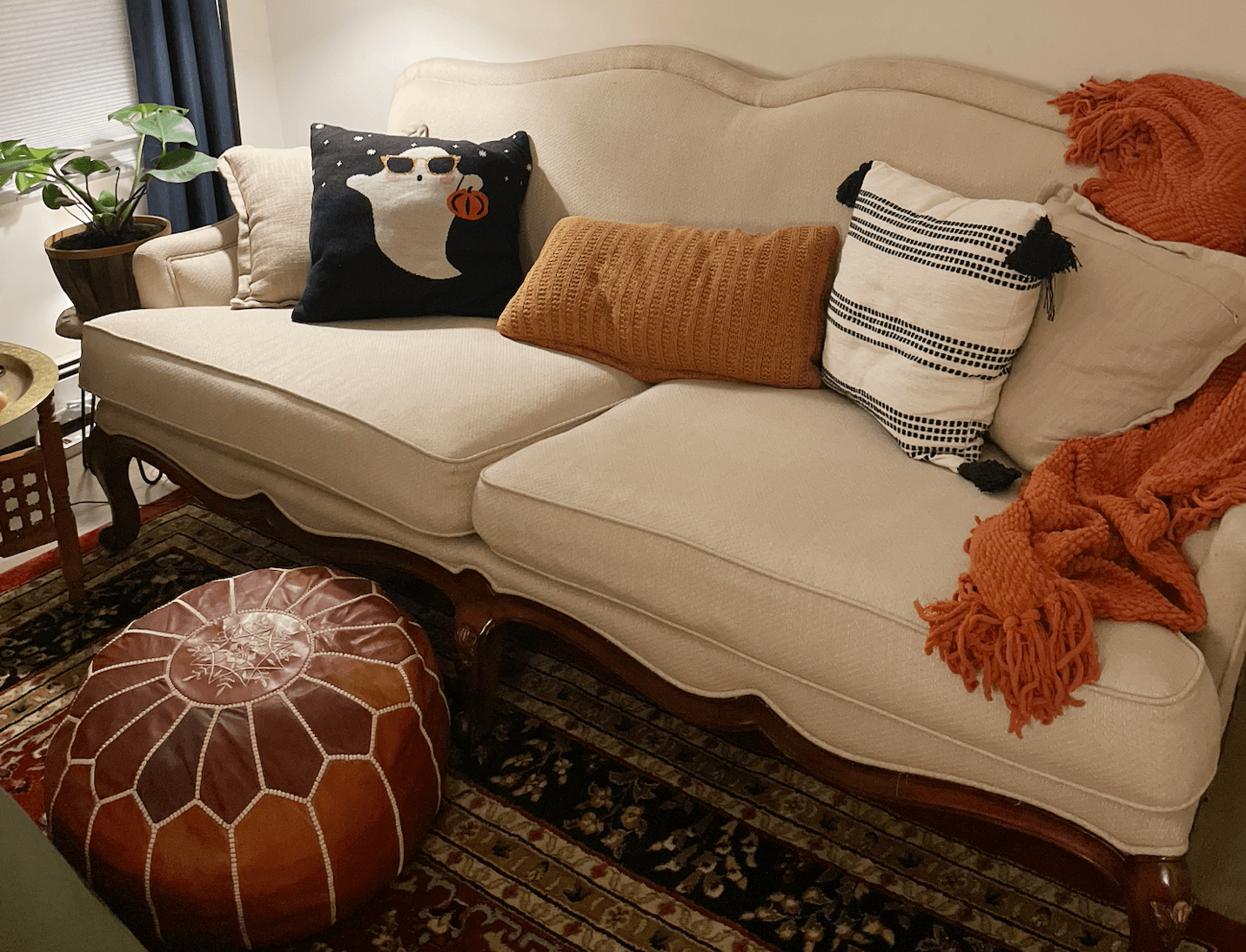
And sometimes, what makes a secondhand piece special isn’t just what it looks like. It’s what you learn about where it came from. 21% of open-ended responses pointed specifically to vintage, character, or a piece’s storied past.
Was it your grandmother’s? A great aunt’s? Did someone bring it home from a trip decades ago? Who owned it before you?
There’s something compelling about finding those stories and carrying them forward. Even at a garage sale, it’s easy to start wondering about the person whose things you’re looking through. Their books. Their furniture. The objects they chose to keep.
That history becomes part of the piece itself. And for the vintage shopper, that can make something feel valuable.
They Believe Older Furniture Was Made Better
There’s another reason shoppers are drawn to older furniture: they think it was made better.
60% of shoppers agree that older furniture is often better made. One 33-year-old Millennial shopper put it simply: “The older furniture is more sturdy and will last longer.”
But here’s where it gets interesting. One 62-year-old Boomer shopper said she prefers new furniture because it “will be in better shape and last longer.”
Both shoppers care about the same thing: buying something that lasts. They just have very different ideas about where they’re most likely to find it.
For vintage shoppers, age itself can be proof of quality. If a dresser has already lasted 40, 50, or 60 years, there’s a reason to believe it has another few decades left in it.
That gives retailers something much more useful to compete with than “new.” Talk about how something is made. The materials. The craftsmanship. The construction. The details that show a piece was built to stick around.
Because the real competition here isn’t old versus new. It’s what feels built to last.
Price Matters, But It’s Not the Whole Story
None of this means price doesn’t matter.
41% of shoppers said they bought used because it was cheaper, and savings showed up across many of the open-ended responses, too.
And sometimes, the savings are significant.
From experience, how much you save can depend on where you shop.
- Facebook Marketplace can knock hundreds of dollars off the price of a piece.
- Estate sales tend to be more curated and priced for profit, so the discount may be smaller.
- Garage sales can offer great deals because sellers often just want things gone.
- And thrift stores, church-run shops, and rummage sales can be some of the most consistent places to find furniture at a fraction of what it would cost new.
There’s also the simple reality that not everyone has thousands of dollars to spend on new furniture. Financing can make a larger purchase more manageable, but that option isn’t right or available for everyone. Secondhand gives shoppers another way to furnish a home within the budget they have right now.
So yes, price matters. But it’s one part of a much bigger picture.
For retailers, the takeaway isn’t to ignore price. It’s to stop assuming price explains the entire appeal of secondhand.
Reality Check: Not Everyone Thrifts
Of course, not everyone loves the idea of bringing someone else’s furniture home.
For some shoppers, the barrier is cleanliness. 15% mentioned concerns like germs, bedbugs, pet hair, or simply not knowing who owned a piece before them. That resistance also increases with age.
Anecdotally, experienced secondhand shoppers often learn how to navigate those concerns rather than ignore them. They know what to look for, what questions to ask, and when to walk away.
Is it from a smoke-free or pet-free home? Does it smell musty or smoky? Are there stains or signs of pests? And for the right piece, they may be willing to clean it themselves or have it professionally cleaned.
The difference may not be whether shoppers care about cleanliness. It may be how much work they’re willing to do for the right find.
For some shoppers, that extra effort is worth it. For others, it’s exactly why they’d rather buy new.
That gives furniture retailers a built-in advantage with this group. New furniture removes the uncertainty and the extra work. For shoppers who don’t want to inspect, clean, or wonder about a piece’s previous life, that peace of mind is part of the value.
Surprise: People Who Buy Used Are Still Buying New, Too
Shopping secondhand doesn’t mean someone has stopped buying new furniture.
Heavy secondhand shoppers spend more than 25% of their furniture budget on used pieces. But they’re still buying new.
56% spend $1,000 or more on new furniture, compared with 62% of shoppers who never buy used.
Where these shoppers spend their money is even more interesting.
37% of heavy secondhand shoppers have ordered custom furniture, compared with 18% of people who never buy used. And 33% have used a design service, compared with just 12% of never-used shoppers.
That paints a much more honest picture of how secondhand shoppers actually furnish their homes.
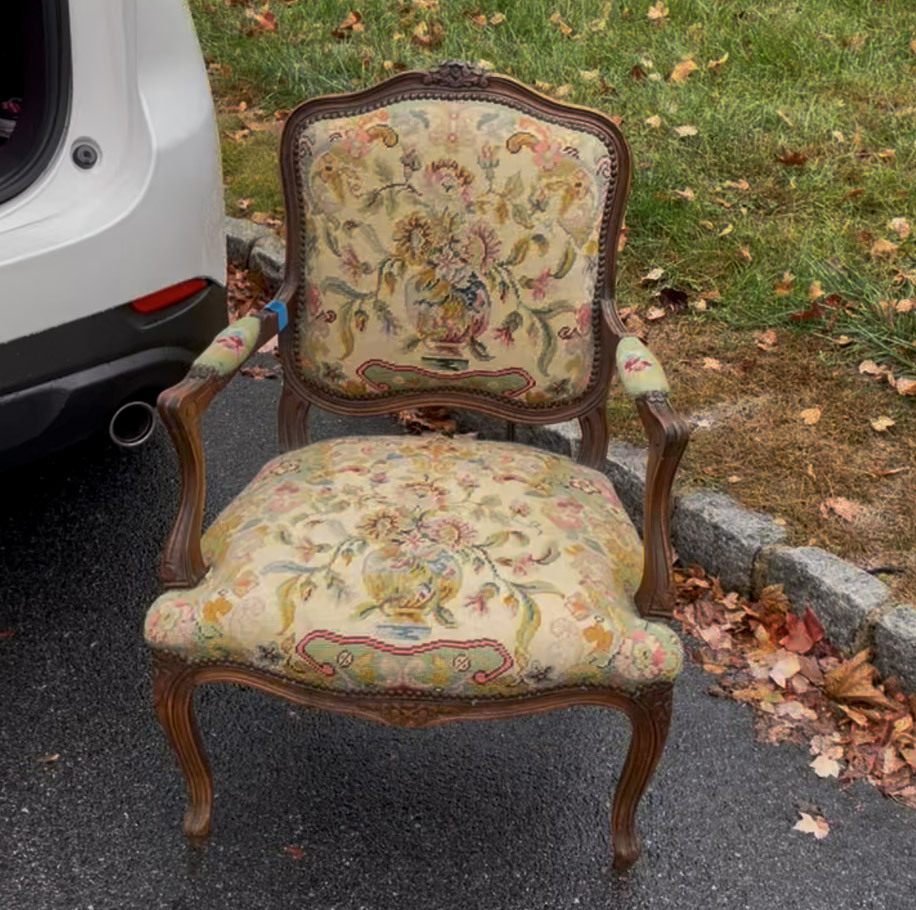
Someone might thrift a wingback chair for $25 and spend $350 getting it reupholstered in exactly the right fabric.
Then they might spend thousands on a custom dining table because they can’t find the size, finish, or style they want anywhere else.
Those purchases aren’t contradictory. They’re driven by the same thing: finding pieces that feel unique and right for their home.
These shoppers aren’t unwilling to spend money on new furniture. They’re willing to spend when new furniture gives them something worth paying for.
Custom pieces, design services, and more personalized options can offer some of the same things they love about vintage: individuality, character, and the feeling that they’re not bringing home the same piece as everyone else.
So, What Can Furniture Retailers Learn?
You don’t need to compete with secondhand shopping. You need to understand what shoppers are getting from it.
The research points to a few things again and again: discovery, character, quality, individuality, and yes, sometimes a really good deal.
Furniture retailers can’t recreate the experience of finding a 60-year-old table at an estate sale. But they can pay attention to what makes that table feel special in the first place.
- Tell the story behind the piece. Who designed it? Where was it made? What materials were used? What inspired the design? Secondhand shoppers are drawn to pieces with a past. New furniture may not have decades of history yet, but it can still have a story.
- Give shoppers proof of quality. If 60% of shoppers believe older furniture is often better made, simply calling something “high quality” probably isn’t enough. Show the craftsmanship. Talk about the construction and materials. Give shoppers a reason to believe this is something they’ll still own years from now.
- Lean into customization and design. Heavy secondhand shoppers are more likely to order custom furniture and use design services. That makes sense. These are shoppers who care about finding something that feels unique for their home. Give them more ways to make a piece their own.
- Don’t make every conversation about a discount. Price matters, especially for shoppers working within a tight budget. But a bigger sale doesn’t recreate the thrill of finding something unexpected, the character of an older piece, or the satisfaction of getting exactly what you wanted.
Bottom Line: The Vintage Shopper Isn’t Lost Revenue
The vintage shopper isn’t choosing between old and new as much as they’re choosing pieces that feel worth bringing home.
Sometimes that’s a $25 chair from a garage sale. Sometimes it’s a Moroccan rug they’ll keep for decades.
For furniture retailers, that’s the bigger takeaway. These shoppers are still spending. They’re just asking for more than another sale banner.
The opportunity isn’t to convince people to stop shopping secondhand. It’s to give them more reasons to shop new, too.
They want something worth finding, worth paying for, and worth keeping.